Bathroom Remodel vs Bathroom Renovation: What’s the Difference?
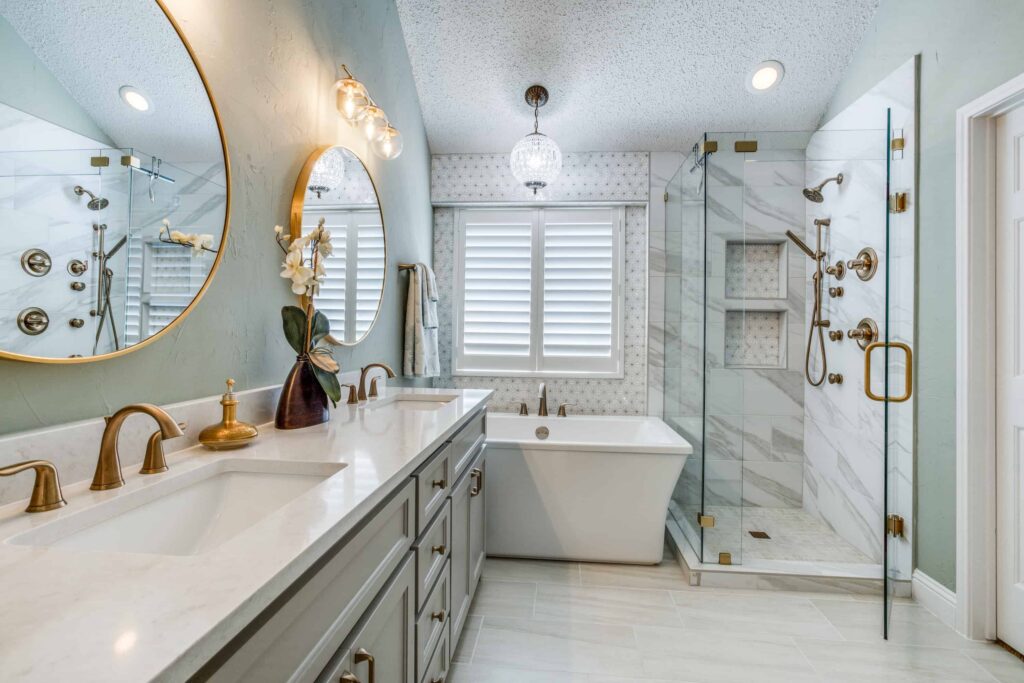
Bathroom Remodel vs Bathroom Renovation: What’s the Difference? Homeowners often use the terms bathroom remodel and bathroom renovation interchangeably—but in reality, they refer to two very different types of projects. Understanding the difference is crucial because it directly affects cost, timeline, permits, and return on investment. At Hometown Builders & Remodeling, we regularly help homeowners decide whether their bathroom needs a simple renovation or a full remodel. This guide breaks down the differences clearly so you can make the right decision for your home and budget. What Is a Bathroom Renovation? A bathroom renovation focuses on updating or restoring an existing bathroom without changing its layout or structure. The goal is to refresh the look and improve functionality while keeping plumbing and electrical systems largely intact. Common Bathroom Renovation Examples Replacing floor or wall tiles Installing a new vanity or mirror Updating faucets, showerheads, or fixtures Repainting walls or refinishing cabinets Upgrading lighting within the same locations Key Characteristics of a Renovation Cosmetic and surface-level improvements Lower cost compared to remodeling Shorter project timeline Usually, no major permits are required Renovations are ideal when your bathroom layout works well, but the design feels outdated or worn. What Is a Bathroom Remodel? A bathroom remodel involves structural, functional, or layout changes. It goes beyond appearance and focuses on how the bathroom works, often requiring plumbing, electrical, or framing modifications. Common Bathroom Remodel Examples Changing the bathroom layout Moving plumbing or electrical lines Converting a bathtub into a walk-in shower Expanding the bathroom size Adding custom storage or accessibility features Key Characteristics of a Remodel Major transformation of space Higher cost due to labor and materials Longer timeline Permits often required Remodeling is the right choice when the bathroom no longer meets your needs or has design and functionality limitations. Bathroom Remodel vs Bathroom Renovation: Side-by-Side Comparison Feature Bathroom Renovation Bathroom Remodel Scope of Work Cosmetic updates Structural & functional changes Layout Changes ❌ No ✅ Yes Plumbing/Electrical Minimal Major Average Cost Lower Higher Timeline 1–2 weeks 3–8+ weeks Permit Required Rarely Often Impact on Home Value Moderate High Cost Difference Between Bathroom Remodel and Renovation One of the biggest deciding factors is budget. Bathroom Renovation Cost Generally more affordable Ideal for homeowners wanting a refreshed look Costs depend on fixtures, tiles, and finishes Bathroom Remodel Cost Higher due to demolition, labor, and permits Plumbing and electrical changes increase the cost Delivers long-term functionality and value At Hometown Builders & Remodeling, we always recommend aligning the project type with your long-term goals, not just short-term savings. Timeline Comparison: Remodel vs Renovation Bathroom Renovation: Typically completed in 1–2 weeks Bathroom Remodel: Usually takes 3–8 weeks or more, depending on complexity Remodeling takes longer because it involves inspections, coordination of multiple trades, and structural work. Which Option Is Better for You? Choose a Bathroom Renovation If: Your bathroom layout already works You want a visual upgrade You’re working with a limited budget You plan to sell your home soon Choose a Bathroom Remodel If: The layout feels cramped or outdated Plumbing or electrical systems need upgrades You want a luxury or accessibility-focused bathroom You plan to stay in your home long-term A professional evaluation can help you avoid overspending or under-investing. Bathroom Remodel vs Renovation: Impact on Home Value Both options can increase home value, but remodeling typically delivers a higher return on investment because it improves usability and layout. Renovations attract buyers visually Remodels solve functional issues buyers care about Modern layouts and walk-in showers boost resale appeal If resale value is a priority, a remodel often provides stronger long-term benefits. Do You Need Permits? Renovations: Usually do not require permits Remodels: Often require permits due to plumbing, electrical, or structural changes Working with an experienced contractor like Hometown Builders & Remodeling ensures all local regulations and permits are handled correctly. Common Myths About Bathroom Remodels & Renovations ❌ They mean the same thing ❌ Remodeling always costs double ❌ Permits are never required Understanding the difference helps avoid unexpected costs and delays. Is remodeling better than renovating a bathroom? Not always. Remodeling is better for functionality, while renovation is ideal for appearance upgrades. Which is cheaper: bathroom remodel or renovation? Renovation is usually cheaper because it avoids structural changes. Can a renovation turn into a remodel? Yes. Once layout or plumbing changes are added, it becomes a remodel. How do I know which one my bathroom needs? If the layout works, renovate. If the layout doesn’t work, remodel. Do ADUs increase property taxes? Yes, adding living space typically increases assessed value.
How to Choose the Right Kitchen Remodeling Contractor
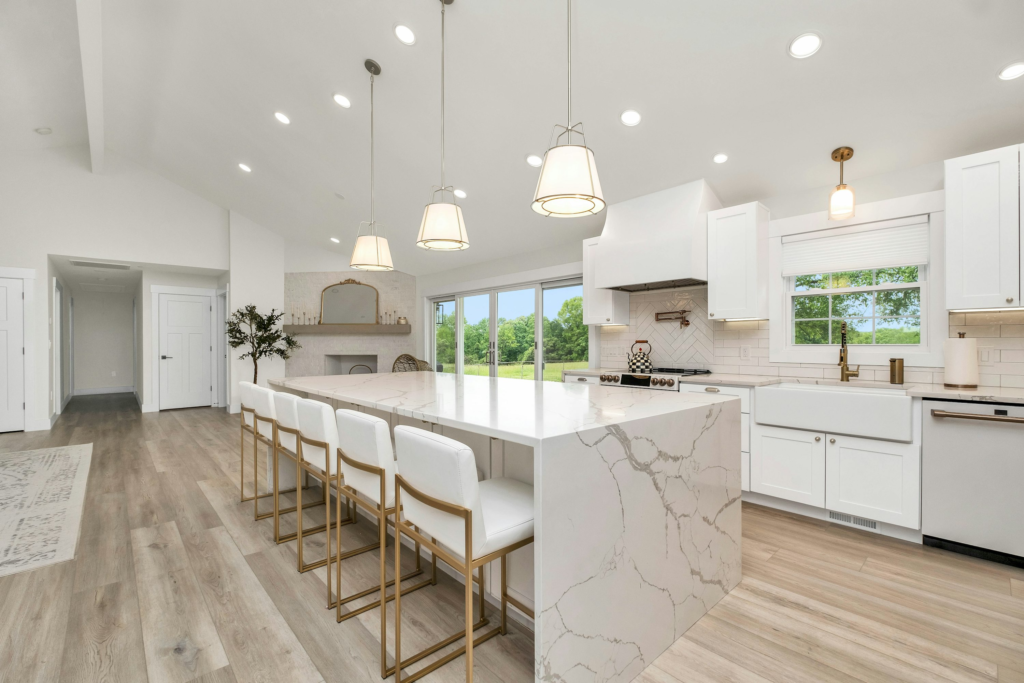
How to Choose the Right Kitchen Remodeling Contractor The contractor you choose for your kitchen remodel can make or break the entire project. From staying on budget to meeting deadlines and delivering quality work, their role affects every part of the experience. At Hometown Builders & Remodeling, we’ve seen firsthand how the right contractor can turn a kitchen remodel into a smooth, rewarding project—and how the wrong choice can lead to delays, cost overruns, and frustration. This guide walks you through exactly how to choose the right kitchen remodeling contractor, step by step. Why Choosing the Right Kitchen Remodeling Contractor Matters A kitchen remodel involves plumbing, electrical work, cabinetry, appliances, inspections, and permits. Hiring an experienced contractor ensures: Proper code compliance and safety Accurate budgeting and cost control High-quality craftsmanship Clear timelines and communication Warranty protection and accountability The right contractor protects both your investment and peace of mind. Start With Research and Shortlisting Contractors Search Locally and Check Experience Begin by looking for local kitchen remodeling contractors with proven experience. Local contractors are familiar with city codes, permit requirements, and inspection procedures, helping projects move forward without unnecessary delays. Focus on contractors who: Specialize in kitchen remodeling (not just general work) Have completed projects similar to yours Operate regularly in your area Verify Credentials and Certifications Before moving forward, confirm that the contractor is: Properly licensed Fully insured (liability + workers’ compensation) Bonded where required These credentials protect you from legal and financial risk. Review Past Work and Customer Reviews Evaluate Kitchen Remodel Portfolios A professional contractor should have a portfolio of completed kitchen remodels. Look for: Consistent quality Clean finishes Smart layouts and storage solutions Experience with your preferred style Photos and case studies reveal far more than sales promises. Read Online Reviews and Testimonials Check Google reviews and local platforms. Pay attention to: Communication feedback Timeliness and professionalism How issues were resolved A few negative reviews aren’t unusual—but repeated complaints are a red flag. Ask the Right Questions Before Hiring Before signing anything, ask these essential questions: How many kitchen remodels have you completed? Who will manage the project day-to-day? What is the estimated timeline? How do you handle changes or upgrades? Are permits and inspections included? What warranties do you provide? Clear answers signal professionalism and transparency. Get Detailed Estimates and Compare Bids What a Professional Estimate Should Include A proper kitchen remodel estimate should clearly outline: Labor costs Material allowances Permit fees Project timeline Payment schedule Avoid vague or one-line quotes. Why the Cheapest Quote Isn’t Always the Best A very low estimate may indicate: Low-quality materials Missing scope items Inexperienced labor Future change-order surprises Value, experience, and transparency matter more than price alone. Understand Contracts, Warranties & Payment Terms A legitimate contractor will always provide a written contract. Make sure it includes: Detailed scope of work Start and completion dates Change-order process Warranty coverage Clear payment milestones Avoid contractors who demand large upfront payments or refuse written agreements. Watch for Red Flags When Choosing a Contractor Be cautious if a contractor: Lacks licensing or insurance Refuses to pull permits Pressures you to decide quickly Provides unclear pricing Has poor communication Trust your instincts—professionalism should be evident from day one. Local Considerations When Hiring a Kitchen Remodeler Local kitchen remodeling contractors offer advantages such as: Faster permit approvals Familiarity with inspectors Established supplier relationships Better post-project support These factors often lead to smoother projects and fewer surprises. Kitchen Remodeling Contractor Checklist (Quick Reference) Use this checklist before hiring: ✔ Licensed and insured ✔ Proven kitchen remodeling experience ✔ Transparent, itemized estimate ✔ Positive local reviews ✔ Clear communication ✔ Written contract and warranty If a contractor checks all these boxes, you’re on the right track. How many estimates should I get? At least two to three detailed estimates for comparison. Do kitchen remodeling contractors handle permits? Yes, reputable contractors manage permits and inspections. How long does a kitchen remodel take? Most projects take several weeks, depending on scope. Can I live in my home during the remodel? Often yes, but expect temporary disruptions. What warranties should be included? Workmanship and manufacturer warranties should both apply.
Pros and Cons of Building an Accessory Dwelling Unit (ADU)
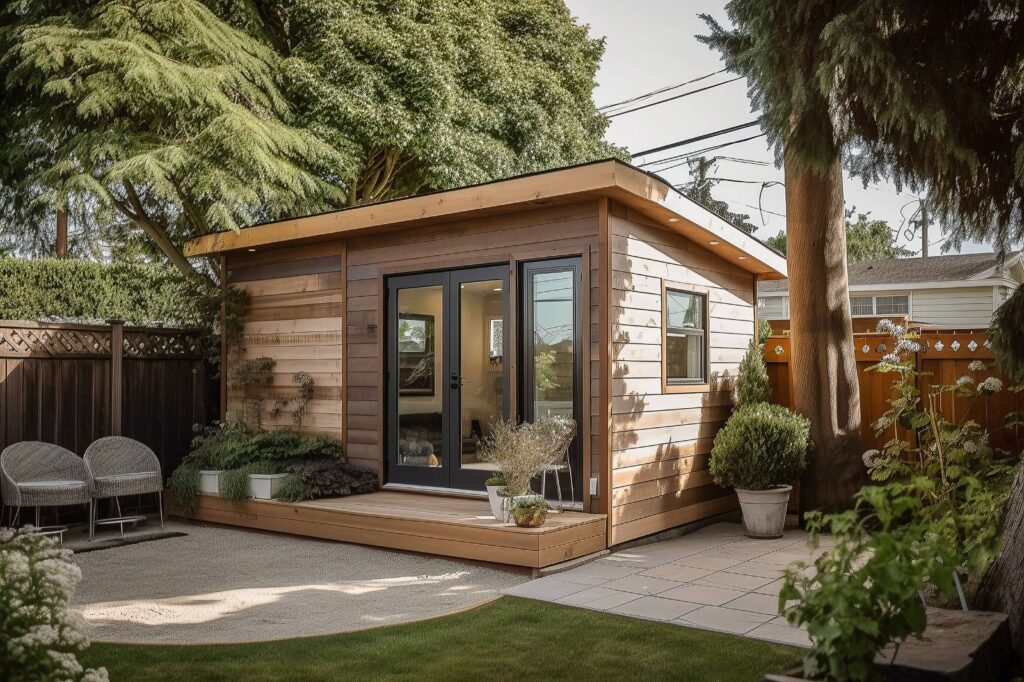
Pros and Cons of Building an Accessory Dwelling Unit (ADU) Accessory Dwelling Units (ADUs) have become one of the most talked-about housing solutions for homeowners looking to add space, generate income, or support multigenerational living. From backyard cottages to garage conversions, ADUs offer flexibility—but they’re not the right choice for everyone. At Hometown Builders & Remodeling, we help homeowners evaluate ADU projects based on cost, zoning, long-term value, and lifestyle needs. This guide provides a balanced, homeowner-focused breakdown of the pros and cons of building an ADU on your property so you can make an informed decision. What Is an Accessory Dwelling Unit (ADU)? An Accessory Dwelling Unit (ADU) is a self-contained living space built on the same lot as a primary residence. It includes its own kitchen, bathroom, sleeping area, and entrance. Common Types of ADUs Detached ADU: A standalone unit in the backyard Attached ADU: Connected to the main house Garage Conversion ADU: Repurposed garage space Junior ADU (JADU): Smaller unit created within the main home ADUs are designed to provide independent living while sharing the same property. Pros of Building an ADU on Your Property Additional Rental Income One of the biggest advantages of an ADU is the potential for steady rental income. Long-term tenants can help offset mortgage payments, while short-term rentals may generate higher returns where regulations allow. Increased Property Value ADUs often increase overall property value by adding usable square footage and housing flexibility. Buyers increasingly see ADUs as income-producing assets or multigenerational solutions. Multigenerational Living ADUs are ideal for housing aging parents, adult children, or extended family—providing privacy while keeping loved ones close. Efficient Use of Existing Land An ADU allows homeowners to maximize unused backyard or garage space without purchasing additional property, making it a smart urban housing solution. Flexible Future Use An ADU isn’t just a rental. It can function as: A home office Guest house Caregiver suite Future downsizing option This adaptability adds long-term value beyond immediate income. Cons of Building an ADU on Your Property High Upfront Construction Costs Design, permits, utilities, and construction costs can be significant. While ADUs offer long-term returns, the initial investment may be challenging without proper financing. Zoning, Permits & Regulatory Complexity Local zoning laws, setbacks, height limits, and parking requirements can complicate ADU approval. Permit delays are common if regulations aren’t carefully followed. Construction Disruption Building an ADU can temporarily disrupt daily life with noise, dust, and reduced yard access—especially for garage or attached conversions. Ongoing Maintenance & Management Owning an ADU means handling repairs, maintenance, and possibly tenant management, which adds responsibility beyond a single-family home. Property Tax & Insurance Impact Adding an ADU may increase your property’s assessed value, leading to higher property taxes and insurance premiums. Pros and Cons of Building an ADU (Quick Comparison) Pros Cons Rental income potential High upfront cost Increased property value Zoning & permit complexity Multigenerational living Construction disruption Flexible use options Ongoing maintenance Efficient land use Possible tax increases Is Building an ADU Worth It for Homeowners? An ADU Makes Sense If: You plan to stay in your home long-term Local zoning supports ADUs Rental demand is strong in your area You have sufficient lot space An ADU May Not Be Ideal If: Your budget is limited Zoning restrictions are strict You rely heavily on backyard space You’re seeking quick, short-term returns The value of an ADU depends heavily on location, regulations, and personal goals. ADU Impact on Property Value & ROI ADUs can deliver both appreciation and cash flow, but returns vary by market. In high-demand areas, ADUs often provide strong long-term ROI. In slower markets, benefits may come primarily from lifestyle flexibility rather than income. Key factors influencing ROI include: Rental demand Construction cost efficiency Design quality Local regulations Common ADU Mistakes Homeowners Should Avoid Skipping zoning research Underestimating total project costs Poor layout and storage planning Ignoring future use scenarios Hiring contractors without ADU experience Avoiding these mistakes can save time, money, and frustration. Do ADUs always increase property value? Not always, but well-designed ADUs in strong markets often do. Can I sell an ADU separately from my home? In most areas, ADUs cannot be sold separately Are ADUs hard to rent? Demand depends on location, size, and design quality. How long does it take to build an ADU? Most projects take several months, including permitting. Do ADUs increase property taxes? Yes, adding living space typically increases assessed value.
Hello world!
Welcome to WordPress. This is your first post. Edit or delete it, then start writing!